
By Manal Qureshi
With artificial intelligence expanding into our lives and work faster and faster, the use of AI to create music can now be as simple as typing up a prompt. With platforms like Suno songs can now be written, produced and performed in a matter of seconds without an actual person ever having to touch an instrument. Even though the technology guarantees instant results, testing the app proved that faster is not always better. The growing use of AI in music generation isn’t enhancing music as much as it is producing generic songs.
AI tools are quickly becoming integrated into the music scene from instrumentals to full songs with lyrics and vocals. Platforms like Spotify and TikTok are already seeing a surge of AI generated tracks circulating alongside traditional music. As the technology spreads across social media and music streaming platforms, listeners are encountering music they may not even know is AI.
AI music generators are heavily advertised on social media and widely available online allowing anyone to create songs using simple text prompts and in app options for the genre that make curating what vibe you want song even simpler.
The rise of AI songs and artists is raising new questions about authenticity and creativity when it comes to art and artificial intelligence. While some artists see AI as another tool in the production process, others worry it undermines the value and skill people provide.
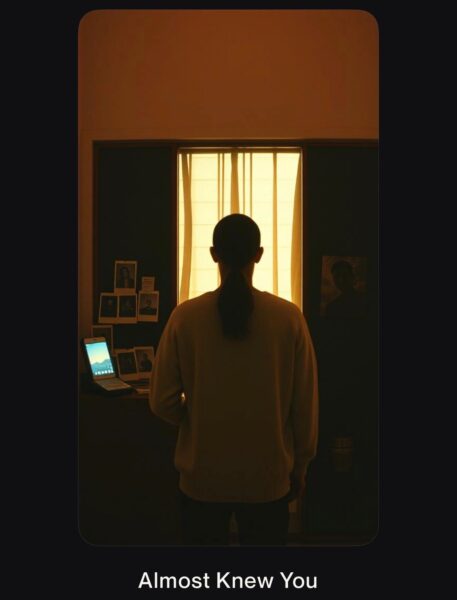
To assess how convincing AI generated music can be, the Sheridan Sun tested AI music generator Suno by asking it to create a love song. We prompted it to write “A love song after getting my heart broken by a boy I met a couple months ago.” The app generated lyrics, vocals, an instrumental, a title and even a photo to go with my song.
Within seconds the app produced a fully formed song. However, while “Almost Knew You” was a complete track, it lacked passion, though listening to it was telling the AI voice was trying to sound distraught. The lyrics were generic and sounded like what you would imagine a pop song would sound like if you had to come up with the most basic, generic heartbreak song of all time. The melody and vocals sounded similar to Taylor Swift’s early works and then morphed into a female country singer’s voice by the end. The app described the song as an “intimate acoustic pop ballad.”
“When you’re listening to music usually you listen to the lyrics but when those lyrics are being generated by robots how are you meant to relate to them?” Avid music listener Christian Cosentino Ferreira said upon being asked about AI music. “Also, most AI generated stuff online is based off of other stuff on the internet which raises the question of is AI just stealing other artists’ work?”
For musicians who write and produce their own music like Adriano De Sousa, who goes by the music alias Vinzz, AI functions as more of an assistant to increase the production value rather than a replacement for songwriting and singing.

“[I use] it as a tool just to enhance my voice because again, I don’t sound amazing as a singer. I’m not an opera singer or anything of that calibre, you know, but I do like to sing. I do like to rap mostly.” De Sousa explains. “So, I just use it really just to enhance the sound of my voice and everything else I write from beginning to end. So it’s really all me with the exception of just enhancing my voice,”
Rather than generating entire songs, De Sousa uses AI to modify or enhance his vocal recordings. The technology allows him to improve his voice more quickly in post production similarly to the way other producers may do with Auto-Tune or traditional editing software, processes which may take hours.
De Sousa’s approach to the use of AI in his music reflects a middle ground stance among musicians and listeners alike on the use of AI within music. De Sousa acknowledges that while AI can be a useful tool it can also create challenges for artists who have spent years perfecting their craft.
“AI kind of, well, it would devalue like real artists and real producers for sure. It does devalue people who have been in the industry for years. Who’ve grinded, who have put in so much effort and time, to perfecting their version of an art form.” De Sousa said. “But if there are people who are just using it with zero experience for the sake of having fun, then you know more power to them to do what they want, but in terms of an industry standard, yeah, it does devalue the art form for sure.”
While opinions on AI music are divided, questions about the authenticity of AI musicians continue to spark debate online.
“Why is Al being integrated into music???? I don’t wanna listen to music from artificial artists!!! I blocked that one Al singing girl, but now real artists are featuring Al artists on their albums. 😭 [crying emoji] I’ve had ENOUGH.” X user @Incognitoho said.
In efforts to combat fraudulence Spotify removed 75 million “spam tracks” last year, many of which were AI generated. However, Spotify is not entirely banning AI music on their platform. Apple Music also introduced Transparency Tags, which are used to disclose AI used in artwork, tracks, compositions and music videos.
“i don’t get who Al music is for. EVERYDAY a dozen new REAL artists pop up on my feed. we are buried in more music than we will ever have time to consume. yet here’s a bunch of randomly generated slop that vaguely sounds like something that ALREADY EXISTS. who asked for this?” user @SOTSPodcast said in response to a post on X by PopBase informing users of Apple Music’s AI transparency tags.
This raises concerns about whether AI music could eventually flood streaming platforms, such as SoundCloud, Spotify and TikTok, making it harder for independent artists to gain traction. While AI may allow beginners to experiment making music, experienced musicians argue that creativity depends on lived experience and human perspective.
My attempt at generating a song backs this criticism exponentially. While the app did produce a polished track instantly, the lyrics and melody felt flat to listen to and lacked emotional depth.

Kole Halvorson, lead singer and guitarist of the Calgary based band Coda Club, has spent years developing his sound through traditional songwriting and performance. Like many musicians, Halvorson first took interest in music through personal experiences and has had an interest in music since childhood.
“One day, I think my dad just started showing me some ‘90s grunge Nirvana and Smashing Pumpkins and Pearl Jam back from our lake. I think I was about like 11 and I just couldn’t believe what I was hearing. Like it just was amazing,” Halvorson Said. “And it just struck me and drew me in immediately. And then it didn’t take long after that, I was just like I just need to start learning guitar.”
For Halvorson the concern surrounding AI music lies in the fact that it could quietly appear in autoplay on streaming platforms without listeners realizing the music was made by AI. The concern is less about competition and more about transparency. If audiences are unaware of how a song is produced it raises red flags about how listeners are engaging with music.
“I think my concern comes from the fraud or like the deviance of you know the AI platforms, sneaking those songs into the algorithm or into your playlist, just while you’re like on auto stream.” Halvorson remarked. “You’re in the kitchen, you’re cooking, and you wouldn’t really immediately notice it’s just on in the background.”
At the core of the AI debate is emotion. Artists draw from personal experience and feelings like joy, heartbreak, nostalgia and frustration to write meaningful lyrics and produce instrumentals that resonate with people.
The future of AI art ultimately depends on how artists choose to use it. While some use it as a tool for enhancing their work others may use it as a be all, tell all to produce entire albums. For artists who are against the use of AI in music it represents a shift that could fundamentally change how music is created and consumed.
“I think the whole point of music is that you have found somebody that has found a way to synthesize an emotion or a feeling and you’re connecting with it because you’ve felt that before” Halvorson said. “I know that AI can’t love. AI can’t have its heart broken. I think people will always naturally seek that human connection.”
Leave a Reply