
By Ivan Makuza
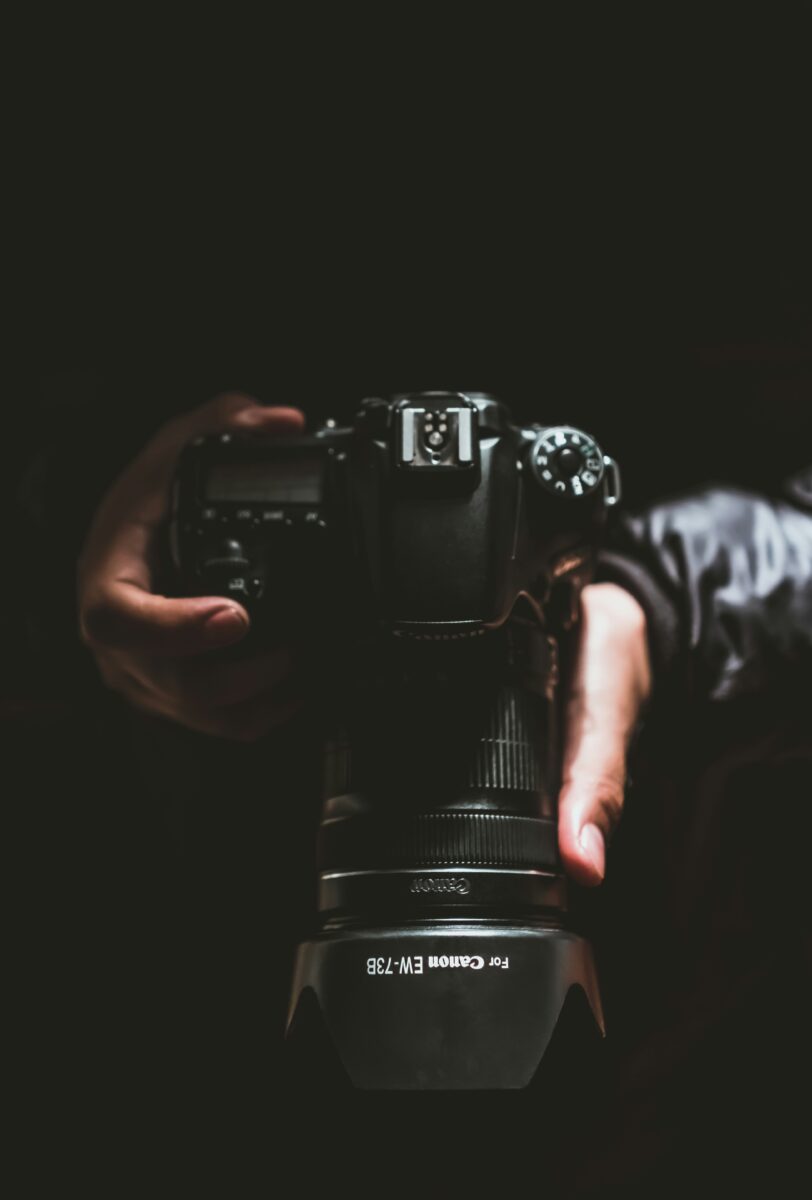
Buying a camera can be an exciting step for anyone interested in photography. But for those hoping to work professionally, the decision involves more than simply choosing the newest model on the market. Cameras come with different features, prices and capabilities, and understanding what to look for can help photographers make the right choice.
Professional photographers often think carefully about what they need before buying equipment. From budget to lighting performance, several factors can influence which camera works best. According to a Toronto professional photographer Steve Jenne, passion and preparation both play a major role when choosing the right gear.
“Buying a camera is not just about the brand or the newest model,” Steve said in an interview. “It’s about understanding what kind of photographer you want to become and choosing equipment that helps you get there.”
Here are six important things photographers should consider when purchasing a camera.
1 . Study your audience
One of the first things photographers should think about is the audience they are trying to reach. Different types of photography serve different purposes and viewers.
For example, someone who plans to photograph weddings may need different equipment than a photographer focusing on sports or wildlife. Understanding the audience can help photographers decide what kind of camera and features will best support their work.
A sports photographer, for instance, may look for a camera that shoots quickly and captures fast movement. Meanwhile, a portrait photographer may focus more on image quality and colour accuracy.
2. Check your budget
Photography equipment can be expensive, especially for professionals. Setting a clear budget before buying a camera can help avoid overspending.
The cost does not stop with the camera body. Photographers also need to consider lenses, memory cards, extra batteries and other accessories. These items can add up quickly.
Major manufacturers such as Canon, Nikon and Sony offer cameras at different price levels, which gives photographers a range of options depending on their budget.
3. Know what you want to achieve
Photographers should also think about what they want to accomplish with their camera. Some may want to shoot fashion photography, while others might focus on journalism, travel or nature.
Understanding these goals can help narrow down the choices. For example, a travel photographer might prefer a smaller and lighter camera that is easier to carry. Someone working in commercial photography may want a camera with higher resolution and more advanced features.
“Before you buy anything, ask yourself what kind of stories you want to tell with your photos,” Steve said. “Your goals as a photographer should guide the type of camera you choose.”
4. Consider the type of lens
Lenses are another key part of photography equipment. Different lenses create different visual results, which can affect how a photo looks.
Wide-angle lenses are often used for landscapes or architecture, while telephoto lenses are useful for capturing subjects that are far away, such as wildlife or sports. Many professional photographers prefer cameras with interchangeable lenses so they can adjust their equipment depending on the situation.
In many cases, the lens can have as much impact on image quality as the camera body itself.
5. Photo and video capabilities
Modern cameras often offer both photography and video features. While some photographers mainly focus on still images, others may also need strong video performance.
News organizations such as CBC News and Toronto Star increasingly rely on journalists who can produce both photos and video. Because of this, many photographers now look for cameras that can handle both tasks well.
6. Performance in low light
Lighting conditions can change quickly, especially for photographers who work at events or at night. A camera that performs well in low light can make a big difference.
Features such as strong ISO performance, larger sensors and image stabilization can help photographers capture clear photos even when lighting is limited. This allows them to work in more environments without losing image quality.
Photography takes more than the right camera
While choosing the right camera is important, equipment alone does not make someone a professional photographer. Passion, creativity and practice all play a major role in developing strong photography skills.
As Steve explained, becoming a professional photographer requires more than technical knowledge.
“It takes passion and dedication,” he said. “The camera is just a tool. What really matters is the person behind it and the effort they put into learning the craft.”
In the end, the right camera can support a photographer’s journey, but it is the vision and commitment of the photographer that truly brings images to life.
Leave a Reply