
By Brighid Mahood
As vinyl records become more popular, more and more people are getting into collecting. While using a record player to enjoy your favourite new (or old) albums can be exciting, it isn’t as simple as pressing play on Spotify.
Records are expensive and can be easily damaged if you don’t know what you’re doing. From where and what to buy, to choosing the right equipment and properly storing albums, there’s a lot to learn.
Here are four things every beginner should know before getting into collecting vinyl.
1. Where you buy matters
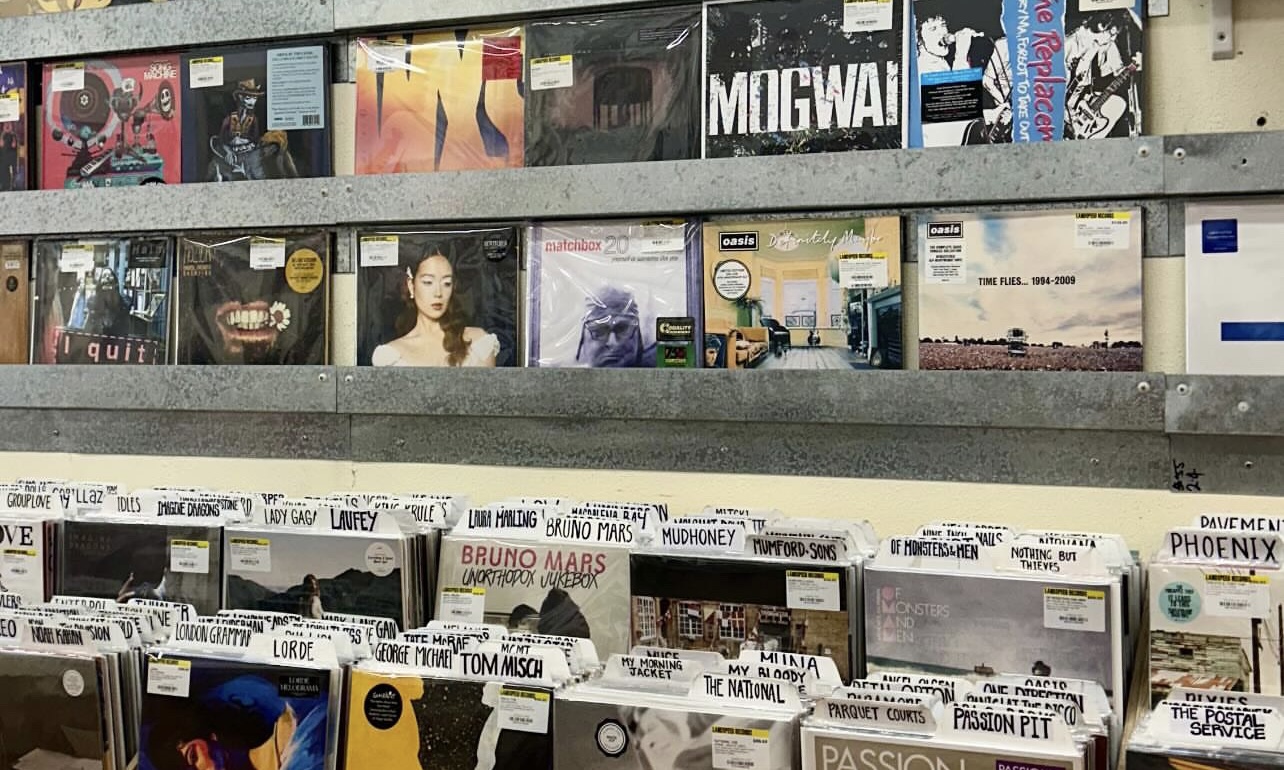
Where you buy records can make a big difference in terms of quality. Online retailers may seem convenient, and the promise of quick delivery can be tempting, but they don’t specialize in selling and shipping records. Emily Portelli, who works at Toronto record store Sonic Boom, warns that buying from large online retailers often leads to damaged records – and unhappy collectors.
“There are so many people that come in here that complain to me, saying ‘I bought this record off Amazon and it came warped, damaged or cracked,’” said Portelli. “They don’t care. It’s a warehouse that’s set up to generate money.”
Instead, Portelli recommends buying from local record stores or directly from artists’ websites to ensure the records you’re buying are in good condition. Similarly, be cautious when buying old records at garage sales. LPs stored in a basement for years may have deteriorated, and believe it or not, records can mould.
2. Choose wisely; don’t buy on impulse
Colourful variants, exclusive pressings, and limited editions can all be tempting, but it’s important to focus on buying good-quality records that you’ll actually listen to.
As a new collector, you may feel pressure to buy records on the spot, especially hard-to-find albums. The thrill of finding an ISO is unbeatable, and it can be hard to resist. Know that impulse buying can sometimes mean paying too much or sacrificing quality. Luckily, it’s likely not the only copy available on the market.
“You can usually find another copy of whatever you’re looking for,” said Portelli. “Patience is a virtue, you just gotta wait.”
3. Your setup is important
What good are records if your setup doesn’t work with them? Worse, what if your record player damages them? All-in-one stereo systems may seem like a great way to save a bit of money, but they can damage your records, and don’t expect great-sounding music.
“Do not buy a turntable with speakers that are built-in,” said Portelli.
In turntables with built-in speakers, the internal speakers produce vibrations that can cause skipping and distorted audio.
“The vibrations cause the tone arm to skip. It’s always going to do that,” Said Portelli. “You can balance a dime on the top of the needle, but at that point, just buy a new turntable.”
You should also avoid suitcase-style turntables. The 2010s revival of these record players has ended, and for good reason. They may seem cute, and they’re undeniably more affordable than most turntables, but the sound quality is a major downfall.
If you’re seriously getting into records, it’s worth investing a bit more in a turntable that won’t damage your records and will sound better. Portelli recommends the Audio Technica AT-LP60 for anyone starting out.
“It isn’t super expensive. You don’t need to buy a receiver with it. You just need to buy a pair of speakers to plug in, and most people already have speakers at home,” said Portelli. “It’s built for someone who has never touched a turntable before.”
When it comes to speakers, some turntables support Bluetooth, but an analog output will always produce better sound.
4. Take care of your records
Improper equipment isn’t the only thing that can damage your setup. Storing your records with care is just as important. Ignoring storage means that all that money you spent on your collection wasn’t for nothing. Plus, well-cared-for records sound better when played.
Stacking records flat on their side can cause damage, like warping from the weight of other records. It’s best to store them upright and avoid stacking them on top of each other.
“It’s good to keep them in plastic sleeves,” said Portelli. “Poly sleeves are better than paper sleeves because they create less static and won’t leave any marks on your records. Sometimes paper sleeves can do that.”
Regular cleaning is also important. Dust, fingerprints and debris can build up on records over time. If you ever hear your records making a crackling noise, odds are it needs to be cleaned. That dust and debris can not only damage your records, but also your stylus (needle).