
By Nigel De Souza
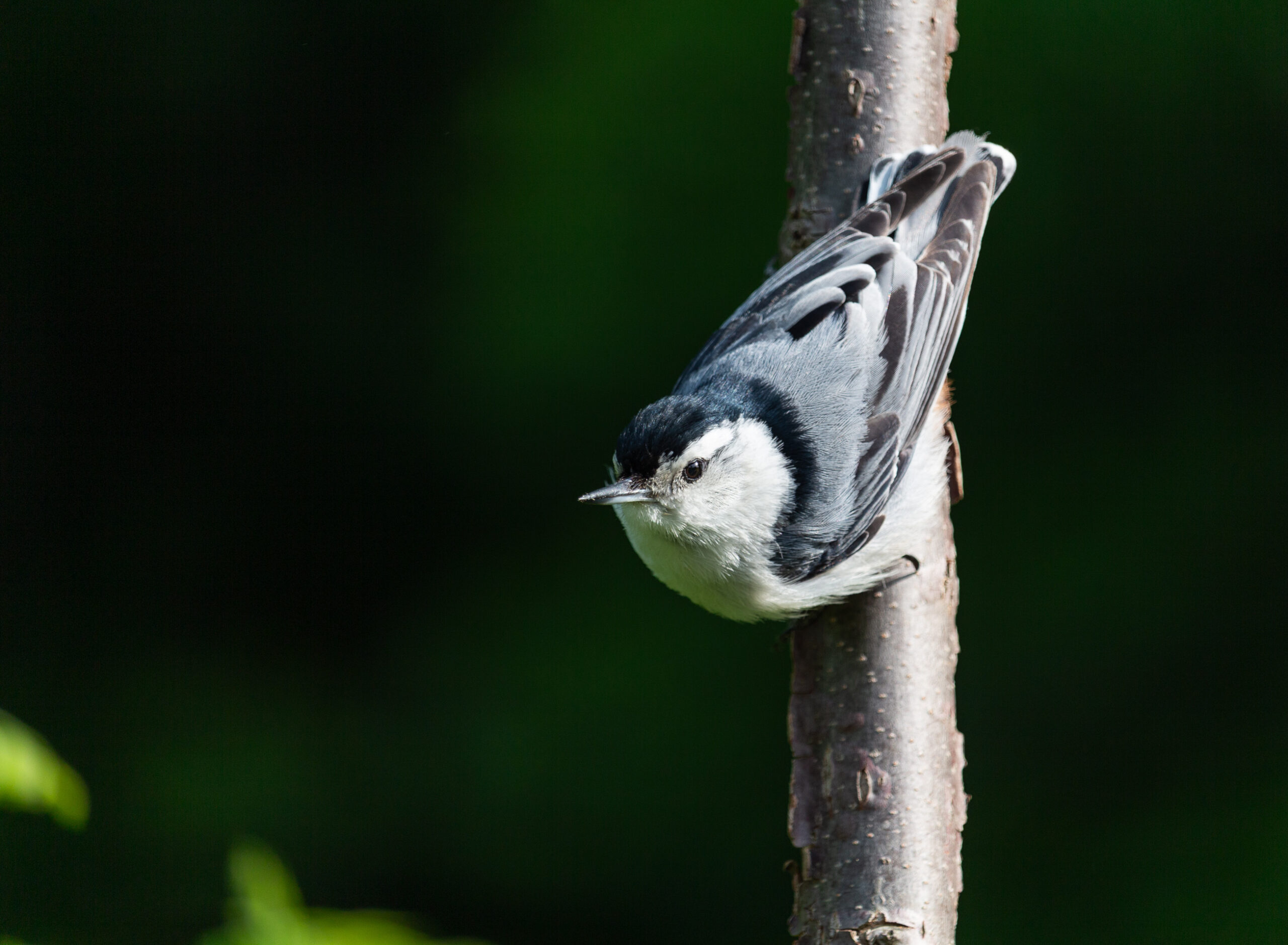
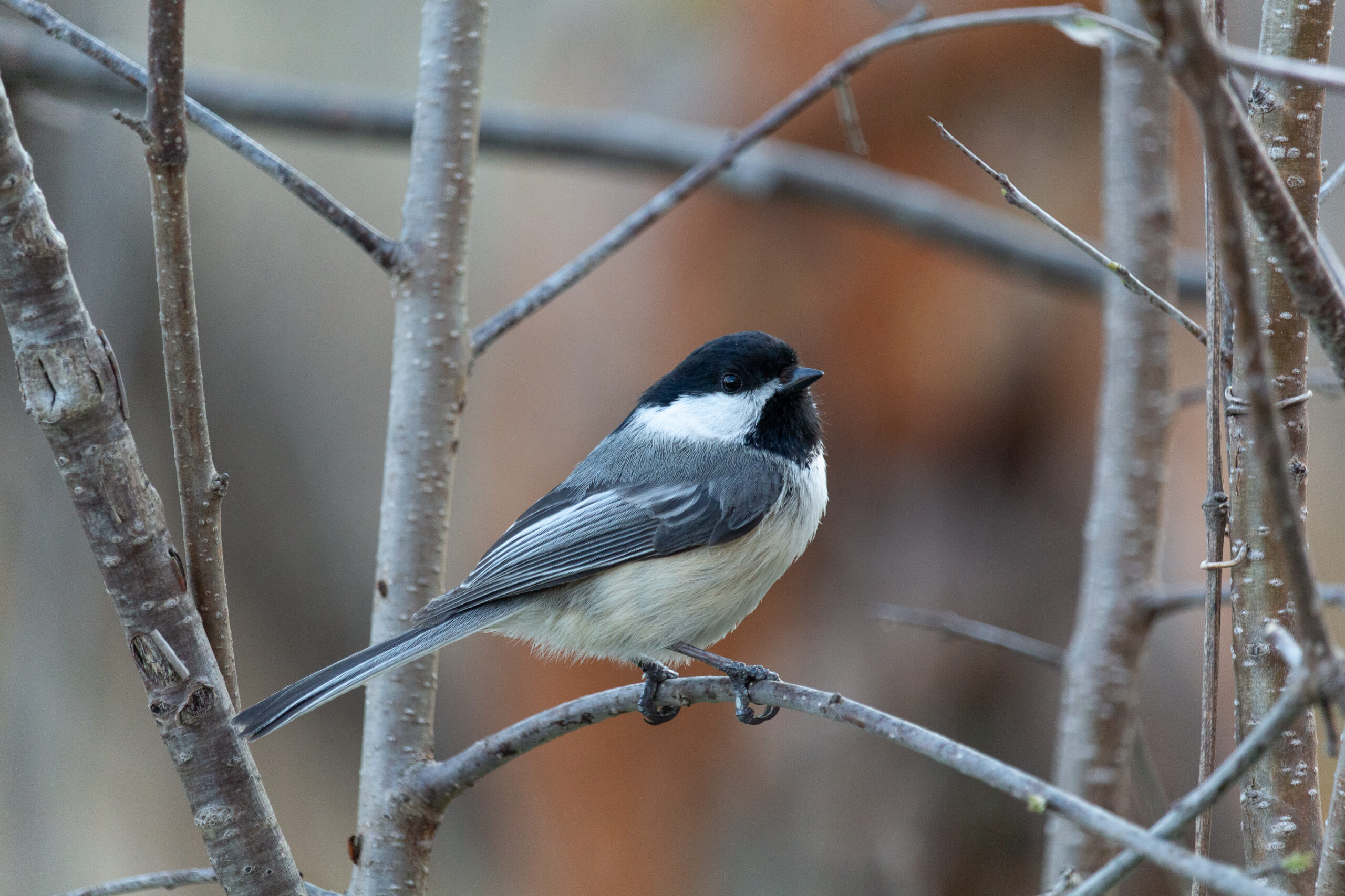
It was a long and difficult winter for the GTA, but take heart: The sun is peeking out, it’s starting to get warmer and the birds are finally singing again. But, wait. Just what kind of bird is that? Is it a white-breasted nuthatch or a black-capped chickadee? Taking the time to find out could lead you into the world of birdwatching, also known as birding. It’s an unexpectedly fun and rewarding hobby for many. It also comes with some great benefits for your mental health.
Birdwatcher Yvonne Brown shares five ways birdwatching can help get you out of a mental rut while giving you a lifelong passion.
Connecting with nature
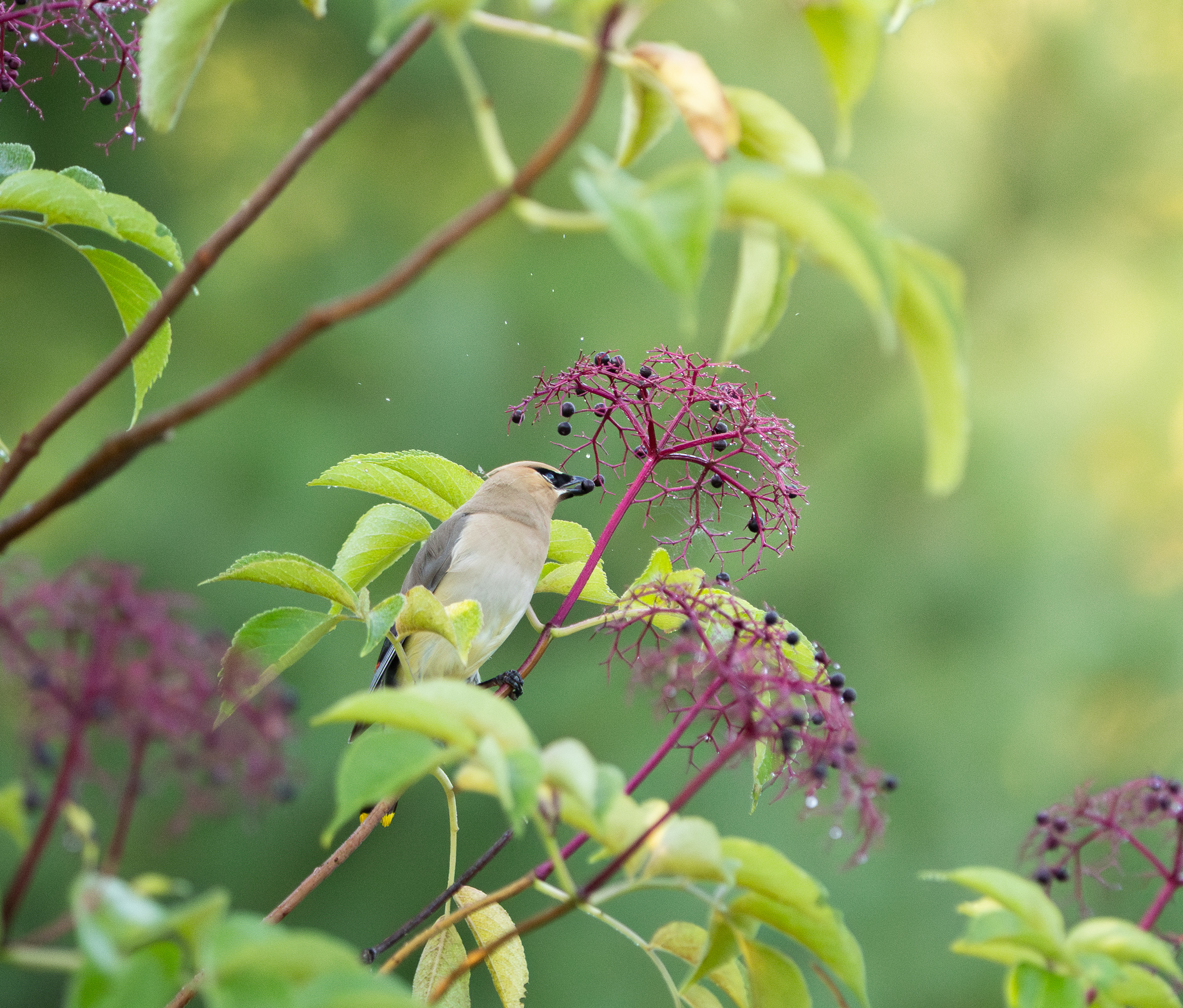
Birdwatching gets you outside and looking up in the trees and sky. While most people are usually inside and looking down at their phones, birding can give you a different perspective and help you see things you may have never really noticed. What’s up in the sky is sometimes more interesting than what’s down in the ground or on a screen.
“Birdwatching for me allows me to connect with nature,” says Brown. “I’m a firm believer in nature therapy. I believe it helps with reducing stress and anxiety and helping with depression. I feel more relaxed outdoors and just walking through woods and I think that it helps boost your mood, makes you happier. It encourages mindfulness to be present in that moment.”
Can be a form of meditation
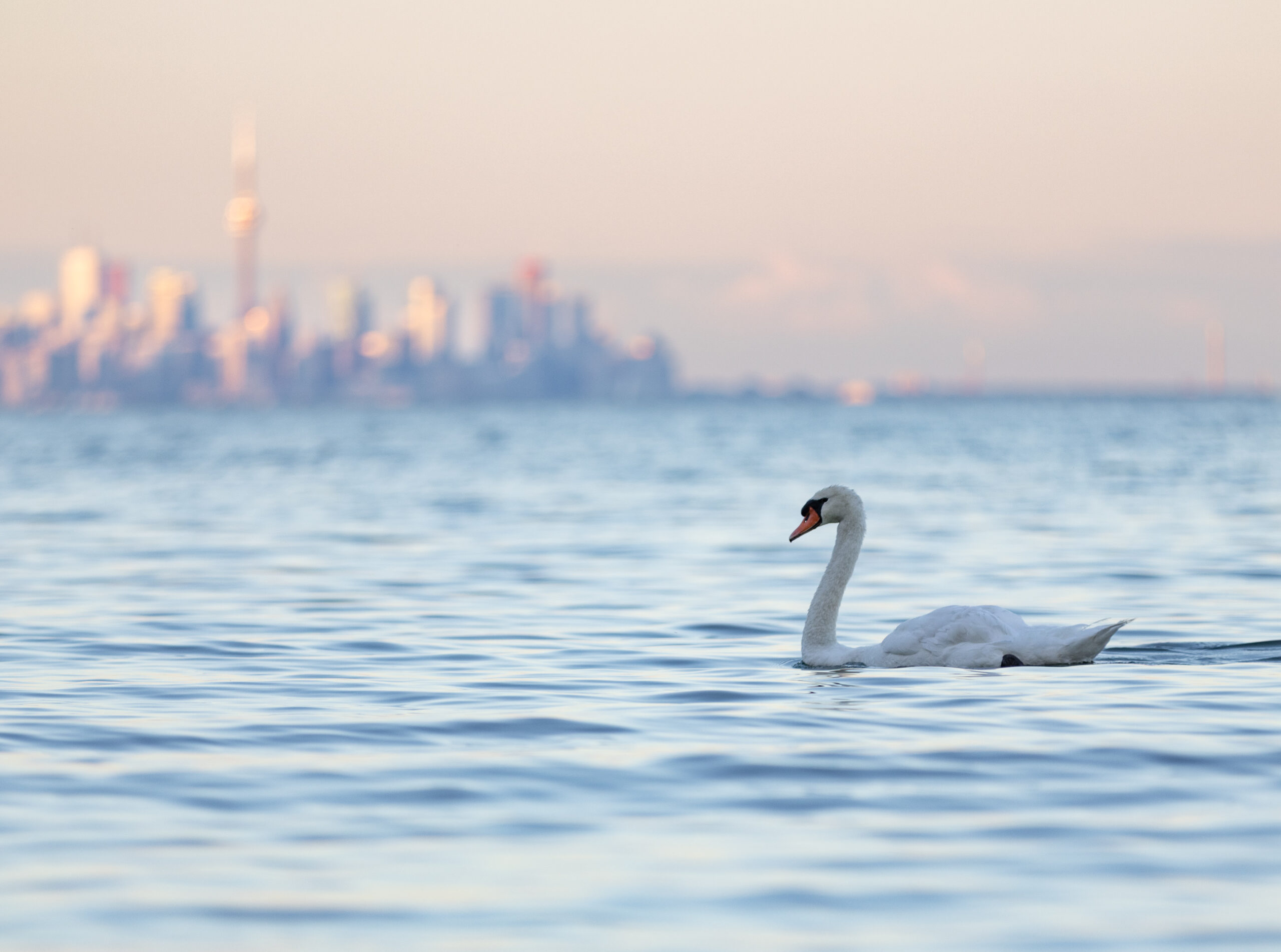
Like most animals, birds can be quite skittish around people. When birdwatching, it’s key to be quiet and patient to allow for close encounters with them as well as to hear their calls. This has all manner of benefits to your mental health. The world can be loud at times, not to mention busy, so taking a step back and just listening can be quite beneficial, similar to meditation.
“It promotes patience and being quiet,” says Brown. “It can be kind of like meditation.”
Helps you meet people
Birdwatching is a pastime that people of all ages share. By simply being in the outdoors birding, you can often find others who are doing the same thing. You can gain new tips, share some knowledge, and meet some great people on your birding journey that can join you in the future.
“There’s social connection, there’s lots of birding groups out there, or even a trip that you go out on with your family,” says Brown. “For some people, it can reduce loneliness too.”
Very accessible
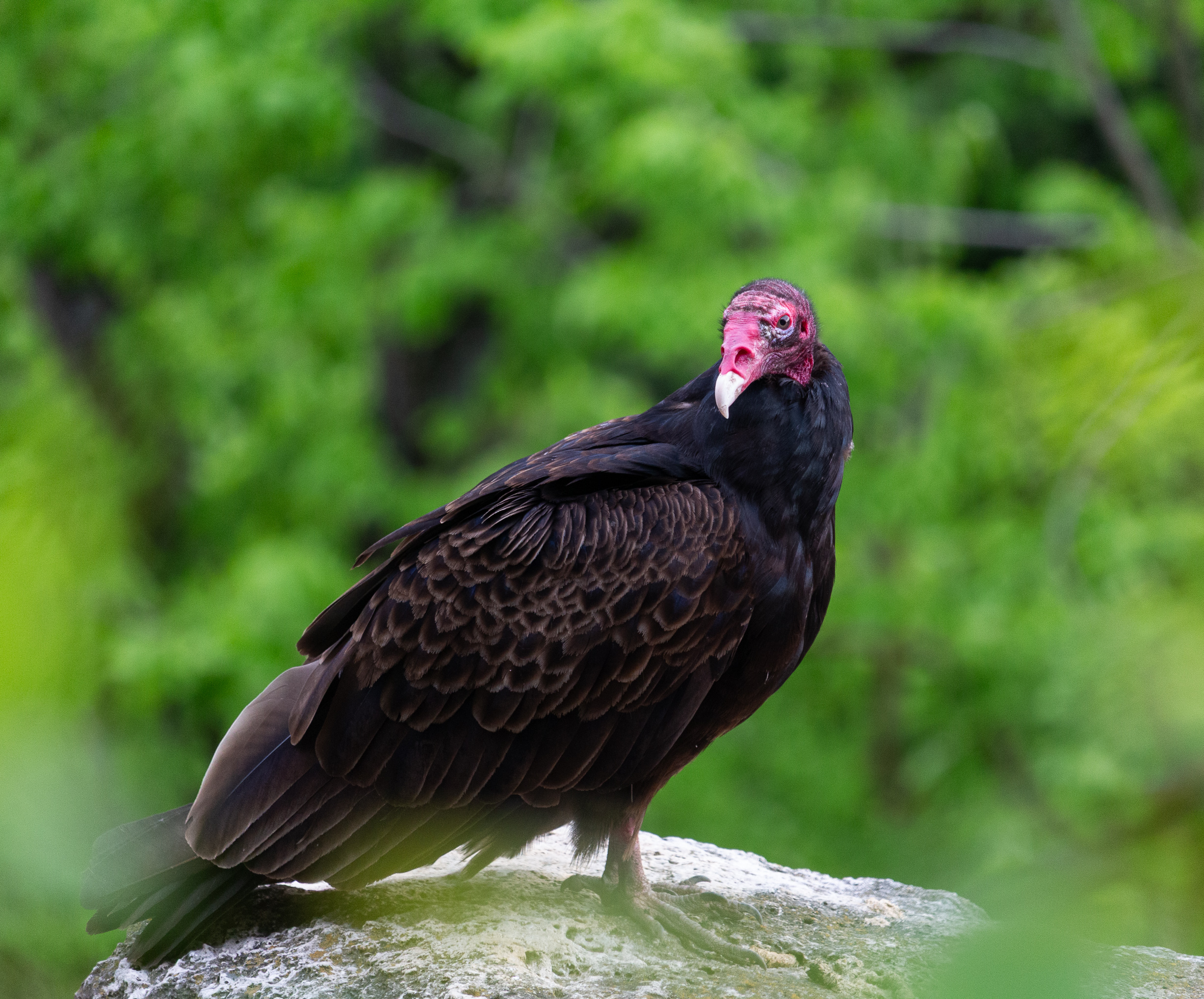
Unlike most hobbies, birding can be done virtually anywhere outside. Or even inside by a window. Whether it’s on a hike in a forest, in your backyard or even on your daily commute to school or work, there’s a good chance you’ll see birds flying in the sky or even perched up on trees or powerlines. While you’ll probably have more success birding in the great outdoors, you can even bird indoors if you don’t want to leave the house. If you’re looking for birds through your bedroom window, you’re still birding.
“It’s something that can be done anywhere, so you don’t necessarily have to leave home,” says Brown. “People put feeders in their backyards and watch them through the windows or out on the deck. If you can get to other birding areas, whether forests or near the water, that’s really helpful too.”
Great learning opportunity
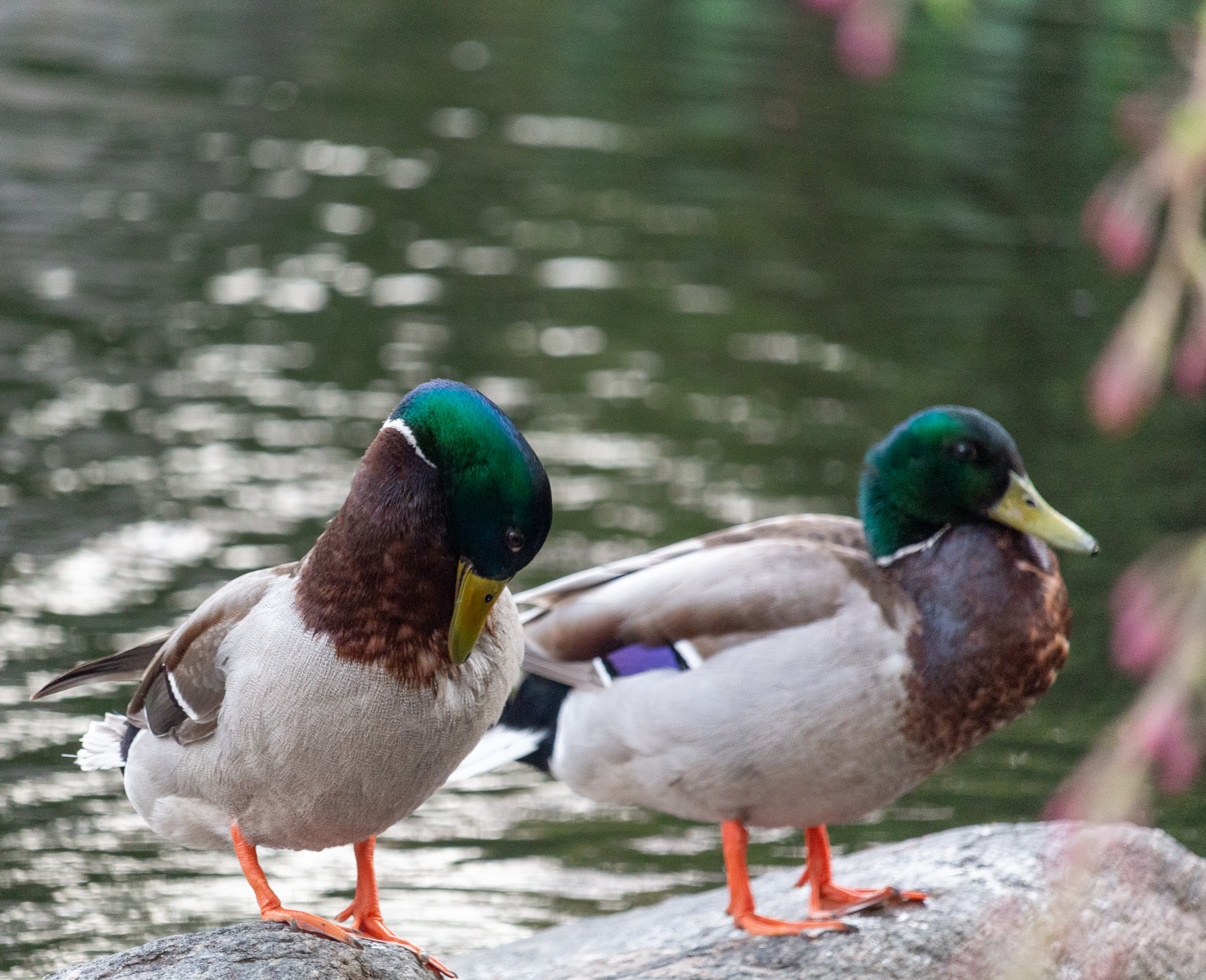
Birdwatching can also get your brain working in ways that it usually isn’t. Some birds look quite similar so learning their identifying features and calls is a great way to keep your mind busy and focused, while growing your overall bird knowledge. While identifying that little critter in any one of the birdwatching guides available, you may also learn a thing or two about wildlife, migration habits and geography.
“It’s great brain exercise because you have to learn about how to identify species, not just by their markings, but by their calls as well,” says Brown. “A lot of people are really talented in identifying bird calls and once you know the call, you know what you’re looking for in the forest.”